
Sweepstakes Casino KYC Verification — What to Expect
 Available in US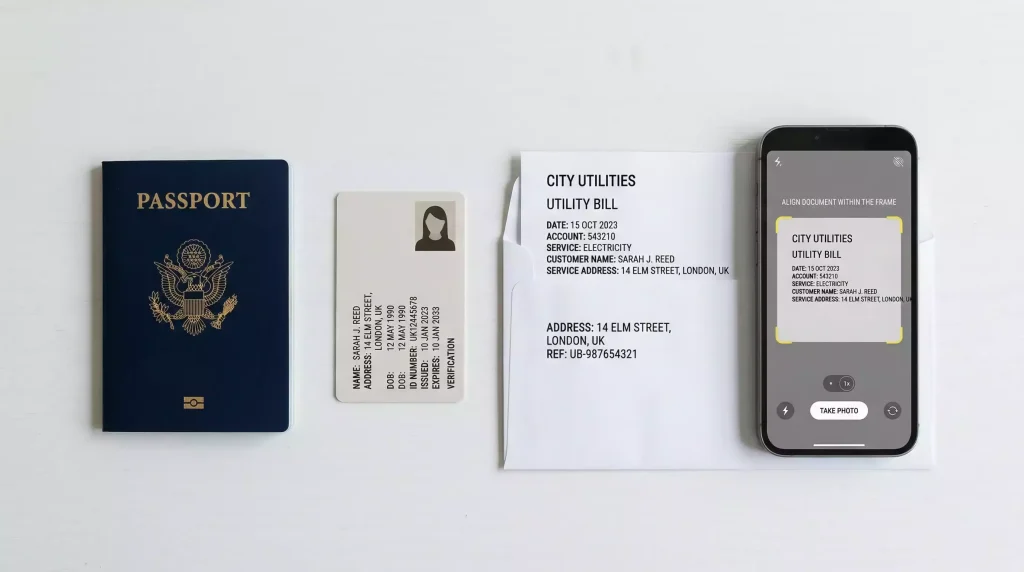
You’ve accumulated Sweeps Coins, hit some wins, and reached the redemption threshold. The cashout button sits right there on your screen. You click it—and suddenly the platform wants copies of your driver’s license, utility bills, and bank statements. Welcome to KYC verification, the identity check that stands between you and your prize money.
Know Your Customer requirements exist at every legitimate sweepstakes casino, though platforms trigger them at different moments. Some verify during registration, others wait until your first redemption request. As the industry expands—Manuel Stan, CEO of Catena Media, noted “I do think that we will continue to see growth in the sweepstakes segment in the near future”—KYC processes are becoming more standardized across platforms. Understanding what’s coming helps you prepare documents in advance and avoid delays when you’re ready to cash out.
This guide walks through the complete KYC process at sweepstakes casinos: why platforms require it, which documents you’ll need, how submission works, typical timelines for approval, and solutions for common problems that delay verification. Approaching KYC prepared transforms it from frustrating obstacle to minor administrative step.
Why KYC Is Required
Sweepstakes casinos implement KYC verification for overlapping legal and operational reasons. Understanding the rationale helps contextualize why platforms demand personal documentation before releasing prizes.
Legal compliance drives primary KYC requirements. Despite operating under promotional sweepstakes law rather than gambling regulations, sweepstakes casinos must still verify participant eligibility. Age verification confirms players meet minimum requirements—typically 18 or 21 depending on state. Residency verification ensures players aren’t located in states where sweepstakes casinos are prohibited. These checks protect operators from regulatory violations that could threaten their business model.
Financial regulations add another layer. Any platform distributing prize money must comply with anti-money laundering provisions. Verifying identities helps prevent criminal use of sweepstakes platforms for laundering illicit funds. The IRS also requires accurate taxpayer information for 1099-MISC reporting when winnings exceed thresholds.
Fraud prevention protects both operators and legitimate players. Multiple account creation, bonus abuse, and identity theft schemes all require anonymity to succeed. KYC verification makes these activities significantly harder to execute profitably. Players benefit from reduced fraud because it allows platforms to offer better bonuses and faster payouts to verified users.
One account per person rules depend entirely on KYC enforcement. Without identity verification, nothing prevents players from creating dozens of accounts to claim welcome bonuses repeatedly. Strict KYC allows platforms to offer generous promotions knowing they won’t face widespread abuse.
Documents Needed
KYC documentation requirements follow consistent patterns across sweepstakes platforms, though specific acceptable documents vary slightly. Gathering everything before initiating verification prevents back-and-forth delays.
Government-issued photo ID serves as the primary identity document. Valid options include driver’s licenses, state ID cards, passports, and military identification. The document must show your full legal name, photo, date of birth, and expiration date. Expired IDs are universally rejected regardless of how recently they lapsed. Temporary paper IDs sometimes work but may require additional verification steps.
Proof of address confirms your physical location matches your claimed residency. Utility bills, bank statements, credit card statements, and government correspondence all typically qualify. Documents must display your full name and current address matching your account information. Most platforms require documents dated within the last 90 days, though some extend this to six months.
Payment method verification links your identity to your withdrawal destination. For PayPal redemptions, the account name must match your verified casino identity exactly. Bank transfer withdrawals may require a statement showing your name and account number. Cryptocurrency redemptions generally skip this step since wallet addresses aren’t personally identifiable.
Selfie verification adds a layer of fraud protection at many platforms. You’ll photograph yourself holding your ID document, proving you physically possess the identification rather than having stolen images. Some casinos use automated facial recognition comparing your selfie to the ID photo, while others rely on manual review.
Social Security numbers appear on some verification forms, particularly when redemptions approach tax reporting thresholds. Casinos need SSN information to issue 1099-MISC forms correctly. Providing this sensitive information feels uncomfortable but remains standard practice for legitimate prize distributions.
Verification Process Step-by-Step
The verification workflow varies between platforms but follows recognizable patterns. Knowing what to expect at each stage reduces anxiety and helps identify when something has gone wrong.
Triggering verification happens either automatically or through player action. Some platforms initiate KYC at registration, requiring document submission before any gameplay. Others wait until you request your first redemption, at which point the system blocks the withdrawal pending verification. A few casinos set threshold triggers—verification becomes mandatory only after accumulating certain amounts or requesting withdrawals above specific limits.
Document upload interfaces range from sophisticated to frustratingly basic. Modern platforms feature guided capture tools that help you photograph documents with proper lighting and framing. Older systems simply provide a file upload button with minimal guidance. Either way, ensure images are high resolution, fully legible, and show all four corners of each document. Cropped or blurry submissions cause automatic rejection.
Submission confirmation should arrive immediately via email or on-screen notification. If you don’t receive confirmation, something went wrong during upload. Check your spam folder and retry the submission if necessary. Some platforms show upload status within account settings, letting you verify successful transmission before waiting for review.
Review periods begin once all required documents reach the verification team. Automated systems pre-screen submissions for obvious issues like expired dates, mismatched names, or unreadable images. Documents passing automated checks enter manual review queues where staff examine everything carefully. Peak times—particularly after promotional campaigns attract new players—extend queue lengths significantly.
Approval or rejection notifications arrive via email and in-account messaging. Approvals unlock redemption functionality immediately. Rejections explain which documents failed and why, allowing you to correct issues and resubmit. Multiple rejections may trigger account review or temporary restrictions while compliance teams investigate.
Post-verification status remains permanent unless you change personal information. Address updates or name changes after marriage or legal proceedings require re-verification with updated documentation. Some platforms also re-verify periodically or when unusual activity patterns trigger security reviews.
How Long Does It Take
Verification timelines span from instant approval to multi-week waits depending on platform efficiency, submission quality, and current queue depth. Setting realistic expectations prevents frustration during the waiting period.
Best-case scenarios complete verification within hours. Platforms using advanced automated verification systems can approve straightforward submissions almost immediately. Clean documents with perfect image quality, exact name matches, and recently dated address proofs sail through these systems without human intervention. Stake.us and a few other technically sophisticated operators regularly achieve same-day verification.
Typical verification at most sweepstakes casinos takes one to three business days according to Casino.org analysis. This timeframe allows for automated screening plus manual review by compliance staff. Submissions entering the queue Monday morning usually clear by Wednesday or Thursday barring any issues.
Problem submissions extend timelines significantly. Any document requiring manual clarification or resubmission restarts the clock. Back-and-forth communication through email adds days between each interaction. Complex cases involving name discrepancies, unusual documentation, or elevated risk profiles may involve compliance team escalation.
Weekend and holiday delays affect platforms relying heavily on human reviewers. Submissions made Friday afternoon often sit untouched until Monday, effectively adding two days to any timeline estimate. Major holidays can extend this further as compliance teams operate with reduced staffing.
Following up appropriately after reasonable delays helps without harassing support teams. Waiting at least 72 business hours before inquiring shows patience while still advocating for your verification.
Troubleshooting Common Issues
KYC rejection frustrates players who expected smooth approval. Understanding common failure points helps fix issues quickly without repeated unsuccessful attempts. Industry surveys consistently show redemption-related issues rank among the most common player complaints at sweepstakes casinos—and many stem from preventable KYC problems.
Image quality problems cause the most rejections. Documents photographed in dim lighting, at angles, or with partial cropping fail automated screening immediately. Reflective surfaces on laminated IDs create glare that obscures text. Use natural lighting, photograph from directly above, and ensure all edges remain visible within the frame. Scanning documents rather than photographing them often produces superior results.
Name mismatches create verification failures even with perfect documents. Your casino account name must exactly match your ID—including middle names, suffixes, and hyphenation. Nicknames registered during casual signup cause problems later. Contact support to correct account information before resubmitting documents rather than hoping reviewers overlook discrepancies.
Address verification fails when proof documents show different addresses than your account. Recent moves create this problem frequently. Update your casino account address to match current documentation, or locate older documents showing your registered address if you haven’t updated account information yet.
Document expiration catches players using IDs they haven’t examined recently. Check expiration dates before uploading—even documents expiring within weeks may trigger rejection at platforms requiring validity throughout expected payout processing.
Payment method mismatches between verified identity and withdrawal destination block redemptions even after identity verification passes. Ensure your PayPal, bank account, or other withdrawal method appears in your verified legal name. Accounts held jointly or in business names typically don’t qualify.
Sweepstakes Casino KYC Verification — More on this topic at top sweepstakes casinos.
See also Crypto Sweepstakes Casinos.